My First 5 Days in Nepal: What Surprised Me as a First-Time Traveler
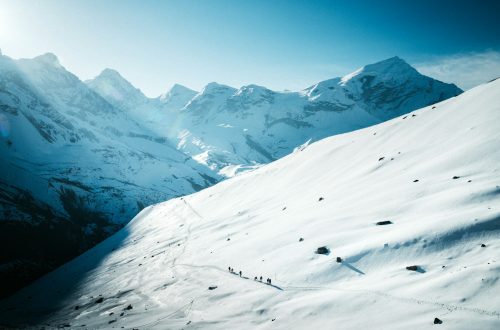
I had seen plenty of photographs of Nepal before visiting. Snow-covered mountains, colorful prayer flags, ancient temples, narrow streets, trekking trails, and the familiar silhouette of Mount Everest had all made their way onto my travel list.
Still, photographs don’t really prepare you for a place.
I arrived in Nepal expecting the mountains to be the main attraction. By the time I left five days later, I realized that the mountains were only one part of what made the country memorable.
What stayed with me just as much were the little things: drinking tea on a rooftop in Kathmandu, getting completely lost in an old neighborhood, watching the sun rise over the mountains, eating momos from a tiny restaurant, and discovering that travel days in Nepal rarely go exactly according to plan.
Here is what my first five days in Nepal were actually like.
Day 1: My First Impression of Kathmandu
My first morning in Kathmandu was slightly chaotic.
After arriving at the airport, I remember looking out of the car window and trying to take everything in at once. There were motorcycles weaving through traffic, shops opening for the day, people walking in every direction, signs I couldn’t always understand, and buildings packed closely together.
It wasn’t the polished version of a capital city that I had imagined.
And honestly, I liked that.
Kathmandu felt alive.
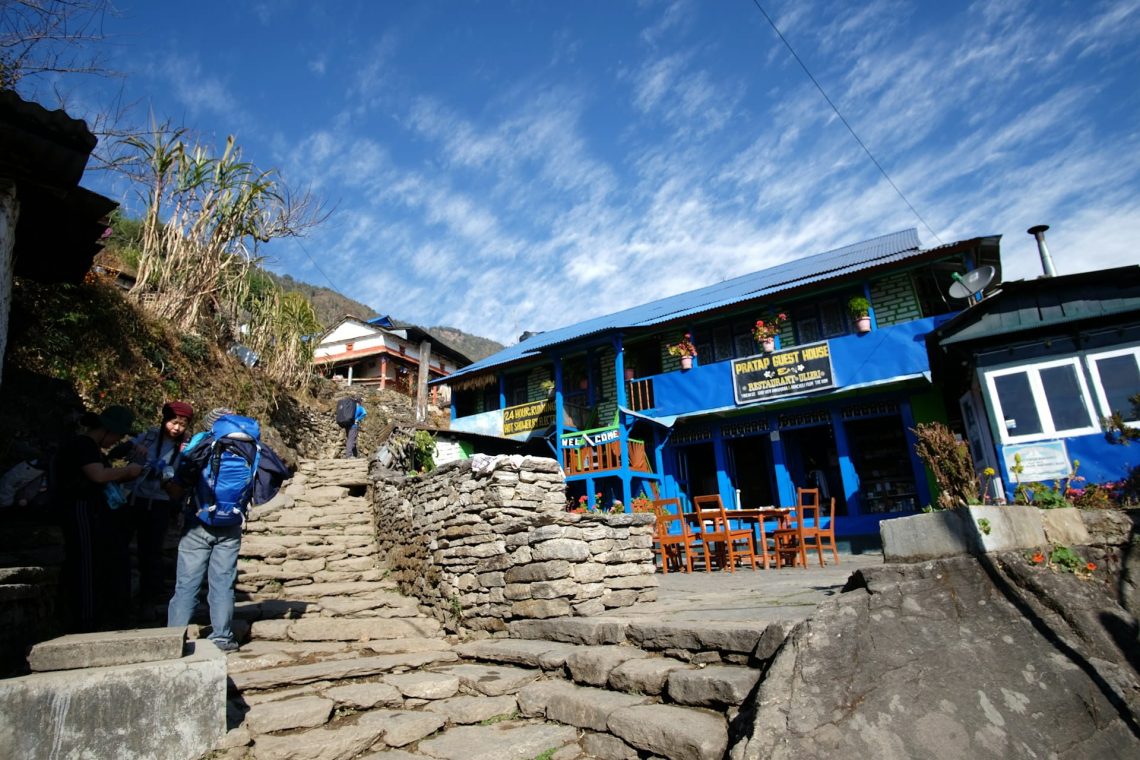
My hotel was in Thamel, an area I had heard about before arriving. I expected it to be mostly tourist shops, but there was much more happening around it.
There were trekking stores selling everything from jackets to sleeping bags, cafés filled with travelers, restaurants serving Nepali and international food, small souvenir shops, and streets where it was easy to forget what time it was.
After dropping my bags, I went for a walk without any particular plan.
That turned out to be one of my favorite decisions of the trip.
Instead of trying to visit every attraction on my first day, I simply walked.
I watched shopkeepers arranging their displays, stopped for coffee, and eventually found a small restaurant where I ordered momos.
It was my first proper Nepali meal.
The dumplings arrived steaming hot, and I immediately understood why everyone had recommended them.
Kathmandu Was Different From What I Expected
One thing that surprised me about Kathmandu was how quickly the city could change.
One moment I was walking through a busy tourist street, and a few minutes later I was standing beside an old courtyard with traditional architecture and religious shrines.
The city seemed to contain several different worlds at once.
I had expected Kathmandu to be mainly a gateway for trekking.
After my first day, I realized it deserved to be a destination in its own right.
Day 2: Discovering the Kathmandu Valley
On my second day, I decided to spend more time exploring the cultural side of Kathmandu.
I visited Boudhanath early in the day.
The stupa was much larger than I expected. The surrounding area was already beginning to wake up, and people were walking around the stupa while spinning prayer wheels.
What I liked most was that it didn’t feel like a museum.
People were actually using the place.
That distinction became important during my trip.
Many of Nepal’s historic and religious sites aren’t simply attractions built for tourists. They remain part of everyday life.
Later, I visited Pashupatinath.
The atmosphere was completely different from Boudhanath.
There were temples, religious ceremonies, visitors, local residents, and activity along the river.
As a traveler, I felt that it was important to slow down and observe rather than treating the place like another item on a sightseeing checklist.
Getting Lost Was Part of the Experience
In the afternoon, I deliberately avoided using maps for a while.
That was probably the best thing I did that day.
I wandered through smaller streets and ended up discovering shops and courtyards that I would never have found by following a standard tourist itinerary.
Eventually, I had absolutely no idea where I was.
I wasn’t particularly worried.
Someone pointed me toward the main road, I recognized a landmark, and eventually found my way back.
That small adventure taught me something about Kathmandu.
You don’t always need a plan.
Sometimes the most interesting part of visiting a city is what happens between the attractions.
Day 3: Leaving Kathmandu for Pokhara
On the third day, I headed toward Pokhara.
I had heard that Pokhara was more relaxed than Kathmandu, and after spending two days in the capital, I was ready for something quieter.
The journey itself became part of the experience.
I had imagined that the trip would simply involve sitting in a vehicle and watching the scenery pass by.
Instead, the landscape gradually changed.
The dense urban environment gave way to hills, rivers, small settlements, farmland, and winding roads.
The journey took longer than I had anticipated, but I stopped worrying about the clock.
Nepal reminded me fairly quickly that travel times here aren’t always as predictable as they look on a map.
When I finally reached Pokhara, the difference was obvious.
The pace felt slower.
My First Evening Beside Phewa Lake
I walked toward Phewa Lake in the evening.
There were boats on the water, restaurants along the lakeside, travelers walking around, and mountains appearing behind the city when the clouds cleared.
I found a restaurant, ordered dinner, and sat outside for longer than I had planned.
This became a pattern in Pokhara.
I would sit somewhere intending to stay for twenty minutes and end up staying for an hour.
There was something about the atmosphere that made rushing feel unnecessary.
Day 4: Watching the Himalayas Wake Up
I woke up early on my fourth day because I wanted to see the sunrise from Sarangkot.
I wasn’t entirely convinced that waking up before sunrise was going to be worth it.
It was.
As the sky gradually became brighter, the mountains began appearing in the distance.
The first thing I noticed wasn’t even the famous peaks.
It was the changing light.
The mountains went from barely visible silhouettes to sharp, enormous shapes against the morning sky.
I had seen Himalayan photographs thousands of times, but standing there made the scale feel completely different.
A photograph gives you an image.
Standing in front of a mountain gives you perspective.
That morning became one of the strongest memories of my entire trip.
Pokhara Made Me Slow Down
After returning to the city, I had planned to visit several attractions.
I didn’t.
Instead, I spent much of the afternoon walking around the lakeside area and talking to people I met along the way.
One conversation was with another traveler who had been trekking for several days.
He told me about the route, the cold mornings, mountain villages, and sleeping in simple lodges.
That conversation made me seriously consider doing a trek on my next visit.
I had arrived in Nepal thinking I would simply see the Himalayas.
By that point, I wanted to walk through them.
Day 5: The Small Things I Remembered
My final day passed surprisingly quickly.
I spent the morning exploring Pokhara, had another plate of momos, bought a few small souvenirs, and sat beside the lake.
Looking back, it wasn’t the famous attractions that I remembered most strongly.
It was the small experiences.
The sound of motorcycles in Kathmandu.
The smell of food coming from small restaurants.
Prayer flags moving in the wind.
A cup of tea after a long walk.
The unexpected conversations.
The changing mountain views.
The feeling of sitting beside Phewa Lake with nowhere I needed to be.
Things That Surprised Me About Nepal
1. The Mountains Aren’t the Whole Story
Before visiting Nepal, I thought the country was primarily about trekking.
It isn’t.
The cultural side of Nepal is just as fascinating.
Kathmandu Valley alone could keep someone busy for days, and destinations such as Lumbini, Bhaktapur, Patan, Bandipur, and Chitwan provide completely different experiences.
2. Travel Can Be Slow
Distances on a map can be misleading.
A journey that looks short may take much longer than expected because of road conditions, traffic, construction, weather, or winding mountain roads.
I learned to stop planning my days down to the minute.
That made traveling much less stressful.
3. Food Became Part of the Adventure
I expected to enjoy Nepali food, but I didn’t expect to think about it so much afterward.
Momos quickly became a favorite.
Dal bhat was another meal I kept returning to.
I also enjoyed trying foods I couldn’t easily identify at first.
My advice is simple: don’t spend your entire trip eating only familiar international food.
Some of my best meals were the ones I ordered without knowing exactly what I was getting.
4. People Were Often More Interesting Than the Attractions
One of the best things about traveling is the people you meet unexpectedly.
I had short conversations with hotel staff, restaurant workers, drivers, shopkeepers, guides, and other travelers.
Not every conversation was profound.
Most weren’t.
But they added personality to the trip.
5. I Needed More Time
Five days sounded reasonable when I booked the trip.
It wasn’t.
Five days were enough to get a taste of Nepal, but not enough to properly explore it.
I left knowing there were places I hadn’t seen and experiences I hadn’t tried.
That wasn’t disappointing.
It gave me a reason to return.
What I Would Do Differently
If I could plan the same trip again, I would change a few things.
First, I would stay longer.
Second, I would spend less time worrying about seeing every attraction.
Third, I would include at least one short trek.
And I would leave more flexibility in the itinerary.
My biggest mistake was initially treating Nepal like a destination that needed to be “completed.”
It doesn’t work that way.
You can’t really complete Nepal in five days.
You can only begin experiencing it.
Would I Recommend Nepal for First-Time Travelers?
Absolutely.
But I wouldn’t recommend visiting with an overly rigid itinerary.
Come with a general plan, but leave room for unexpected experiences.
If you have only a few days, Kathmandu and Pokhara make a good introduction.
If you have more time, add Chitwan, a short trek, or another destination that interests you.
And if mountains are your main reason for visiting, give yourself enough time to actually experience the trekking region rather than rushing through it.
My Final Impression
Five days in Nepal changed what I thought travel was supposed to be.
I arrived wanting photographs of mountains.
I left remembering conversations, meals, streets, sunrise, temples, lakes, and the feeling of being somewhere completely different from home.
The Himalayas were spectacular, but they weren’t the only thing that made the trip special.
Perhaps that’s what surprised me most.
Nepal isn’t just a place you visit to see something.
It’s a place where you experience a collection of small moments, many of which you never planned.
And those were the moments I remembered most.
If I return—and I fully expect that I will—I’m not going to try to fit everything into five days.
I’m going to slow down.
I’m going to take the trek.
And I’m probably going to order another plate of momos.


You May Also Like
My First Himalayan Trek: What Nobody Told Me Before I Started
10 Most Beautiful Mountain Destinations in Nepal