
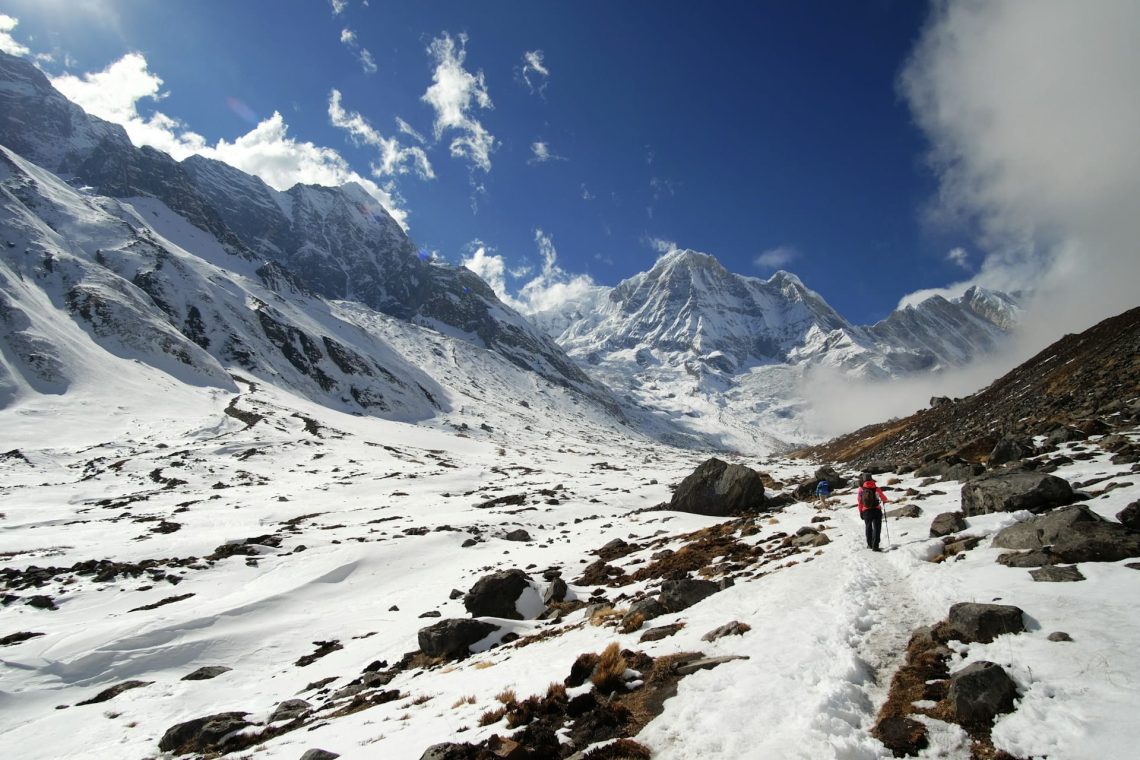
10 Most Beautiful Mountain Destinations in Nepal
Nepal is home to some of the most spectacular mountain landscapes on Earth. From the world’s highest peak to remote valleys, glacial lakes, ancient villages, and dramatic high-altitude passes, the country’s Himalayan region offers an extraordinary range of scenery.
But Nepal’s mountains are not limited to Mount Everest. Some destinations are famous for long-distance trekking, while others can be reached through shorter hikes or scenic journeys. Each region has its own character, landscape, culture, and level of adventure.
Whether you are an experienced trekker or simply want to see the Himalayas without spending weeks on a trail, there is a mountain destination in Nepal that can suit your travel style.
Here are ten of the most beautiful mountain destinations to consider for your next trip.
1. Everest Region
The Everest region is perhaps the most recognizable mountain destination in Nepal.
Located in the northeastern Himalayas, the region is home to Mount Everest, the highest mountain in the world. But the attraction of the area goes far beyond Everest itself.
Trekkers encounter enormous peaks, glaciers, alpine valleys, Buddhist monasteries, suspension bridges, and Sherpa villages throughout the journey.
Namche Bazaar is one of the most famous settlements in the region. Situated within the mountains, it serves as an important stop for trekkers traveling toward Everest Base Camp.
The surrounding landscape becomes increasingly dramatic as you move higher. Peaks such as Ama Dablam, Lhotse, Nuptse, and Everest dominate the skyline.
One of the most memorable viewpoints is Kala Patthar, where trekkers can enjoy a spectacular panorama of Everest and the surrounding mountains.
The Everest region is best suited to travelers who want a serious Himalayan trekking experience. Altitude and weather need to be taken seriously, and proper acclimatization is an essential part of the journey.
2. Annapurna Region
The Annapurna region is one of Nepal’s most diverse mountain destinations.
One of its greatest strengths is the dramatic change in landscape over relatively short distances. A journey can pass through green valleys and forests before eventually reaching barren high-altitude terrain.
The region contains several popular trekking routes, including the Annapurna Circuit and Annapurna Base Camp Trek.
The Annapurna Circuit is particularly famous for its changing scenery and high mountain pass. The route offers views of numerous Himalayan peaks and passes through villages with different cultural traditions.
Annapurna Base Camp provides another style of mountain experience. Trekkers travel into a natural amphitheater surrounded by towering peaks.
The region is also home to Machhapuchhre, or Fishtail Mountain, one of Nepal’s most recognizable peaks.
For travelers who want flexibility, the Annapurna region is particularly attractive because there are routes ranging from short hikes to extended treks.
3. Langtang Valley
Langtang Valley is an excellent choice for travelers looking for Himalayan scenery without traveling as far from Kathmandu as some other major trekking regions.
The valley contains forests, mountain villages, Buddhist monasteries, alpine landscapes, and dramatic peaks.
The trek toward Kyanjin Valley is one of the main attractions.
As the trail gains altitude, the scenery gradually changes from forested hills to rugged mountain terrain. The landscape around Kyanjin is particularly impressive, with towering peaks surrounding the valley.
The region also offers opportunities to learn about local Tamang and Tibetan-influenced cultures.
Langtang can be a good option for travelers who have limited time but still want a genuine Himalayan trekking experience.
4. Manaslu Region
The Manaslu region offers a more remote and rugged mountain experience.
Mount Manaslu is one of the world’s highest mountains, and the surrounding trekking route passes through dramatic valleys, traditional villages, forests, and high-altitude landscapes.
The Manaslu Circuit is known for its sense of remoteness. Compared with some of Nepal’s most heavily visited trekking routes, the experience can feel more isolated and adventurous.
One of the major challenges is crossing the Larkya La Pass, a high mountain pass that provides spectacular views of the surrounding Himalayas.
The region is particularly appealing to experienced trekkers who want a combination of scenery, cultural encounters, and a more adventurous atmosphere.
Because regulations and permit requirements apply to the region, travelers should make sure they understand the current requirements before planning their trek.
5. Gokyo Lakes
The Gokyo Valley provides a completely different way to experience the Everest region.
Instead of following only the classic route to Everest Base Camp, travelers can explore a series of high-altitude turquoise lakes surrounded by Himalayan peaks.
The Gokyo Lakes are among the most visually striking natural attractions in the region.
The landscape combines glacial lakes, rocky valleys, snow-covered mountains, and traditional settlements.
Gokyo Ri is another major attraction. From its summit, trekkers can enjoy panoramic mountain views that include some of the highest peaks in the region.
For photographers, the combination of blue-green lakes and snow-covered mountains makes the Gokyo Valley particularly appealing.
The journey still involves significant altitude, so proper acclimatization is important.
6. Upper Mustang
Upper Mustang is one of Nepal’s most unusual mountain destinations.
Unlike the lush green landscapes found in many Himalayan regions, Upper Mustang has a dry, desert-like environment created by its location in the rain shadow of the Annapurna and Dhaulagiri ranges.
The landscape includes red cliffs, eroded rock formations, barren valleys, caves, monasteries, and traditional villages.
Lo Manthang is the cultural heart of the region and is known for its historic architecture and distinctive Tibetan-influenced culture.
The region’s scenery can feel almost otherworldly.
Upper Mustang is particularly attractive to travelers who want something beyond conventional mountain trekking. Its cultural heritage and unusual landscape make it a destination for photographers, history enthusiasts, and adventurous travelers.
Travel to the region is subject to specific permit and guide requirements, so visitors should check the current rules before traveling.
7. Makalu Region
The Makalu region is one of the more remote Himalayan destinations in Nepal.
Mount Makalu, rising to more than 8,000 meters, dominates the landscape.
The Makalu Base Camp Trek is demanding and takes travelers deep into a relatively isolated part of the Himalayas.
Along the route, trekkers encounter forests, terraced farmland, rugged valleys, glaciers, and high mountain passes.
The changing scenery is one of the major attractions.
Lower sections of the trek can be surprisingly green and forested, while higher sections become increasingly rocky and alpine.
Because the region receives fewer visitors than Everest and Annapurna, it can appeal to trekkers looking for solitude and a stronger sense of wilderness.
This is not generally the first choice for someone looking for an easy Himalayan holiday. It is better suited to travelers with trekking experience and enough time for a demanding journey.
8. Dolpo
Dolpo is one of Nepal’s most remote mountain regions.
Located in the northwestern part of the country, it is known for high-altitude landscapes, traditional Tibetan-influenced culture, ancient monasteries, and dramatic valleys.
The region gained international attention partly through its connection with the film Himalaya and Peter Matthiessen’s travel writing.
One of its most famous natural attractions is Phoksundo Lake, a spectacular blue lake surrounded by steep mountain terrain.
The landscape around Dolpo is stark and dramatic, with dry valleys contrasting against snow-covered peaks.
Travel in the region can be challenging because of its remoteness and limited infrastructure.
That difficulty is part of its appeal. Travelers who reach Dolpo often experience a side of Nepal that feels far removed from the country’s major tourist centers.
9. Kanchanjunga Region
The Kanchenjunga region lies in eastern Nepal near the border with India.
Mount Kanchenjunga is the third-highest mountain in the world, and the surrounding region offers spectacular Himalayan scenery.
The Kanchenjunga trekking area is much less visited than Everest and Annapurna, making it appealing to travelers who prefer quieter trails.
The journey passes through forests, villages, alpine meadows, and increasingly rugged mountain terrain.
The region also has rich biodiversity, and different ecological zones can be encountered during the trek.
The Kanchenjunga experience is particularly suited to travelers who have plenty of time and want a remote Himalayan adventure.
Its distance from Kathmandu and challenging terrain mean that it requires more planning than shorter trekking destinations.
10. Mardi Himal
Mardi Himal has become one of Nepal’s most popular shorter Himalayan treks.
One reason is its accessibility.
The trek can provide spectacular mountain scenery without requiring the length of some of the classic long-distance routes.
The trail passes through forests before opening into higher alpine landscapes with views toward the Annapurna range and Machhapuchhre.
The Mardi Himal viewpoint and surrounding ridge provide excellent mountain panoramas.
Another attraction is the changing landscape. Trekkers can begin in relatively warm, green surroundings and gradually move toward rugged mountain terrain.
Mardi Himal is particularly attractive to travelers who have limited vacation time but still want to experience Himalayan trekking.
Choosing the Right Mountain Destination
With so many choices, selecting a destination can be difficult.
If Mount Everest is your primary goal, the Everest region is the obvious choice.
If you want varied landscapes and many route options, Annapurna is one of the strongest choices.
If you want a shorter trek near Kathmandu, Langtang or Mardi Himal may be more suitable.
If you prefer a remote adventure, Manaslu, Makalu, Dolpo, or Kanchenjunga are worth considering.
If you are fascinated by Tibetan-influenced culture and unusual landscapes, Upper Mustang and Dolpo offer experiences that are very different from the classic Himalayan routes.
Are Nepal’s Mountain Destinations Suitable for Beginners?
Not all mountain destinations require the same level of experience.
Some shorter and lower-altitude routes can be suitable for travelers with limited trekking experience, provided they prepare properly.
More remote and high-altitude routes require significantly more planning.
Fitness is important, but it is not the only consideration. Altitude, weather, trail conditions, duration, accommodation, and access to medical assistance can all affect the difficulty of a trek.
First-time trekkers should avoid choosing a route simply because it looks beautiful in photographs.
Instead, consider whether the route matches your physical ability, available time, and previous experience.
What Makes Nepal’s Mountains Special?
Nepal’s mountain landscapes are extraordinary because they combine natural scenery with living cultures.
A Himalayan trek is rarely just a walk through mountains.
You may pass through villages, visit monasteries, cross suspension bridges, share meals with local communities, and observe traditional ways of life.
The scenery also changes dramatically with altitude.
Forests at lower elevations gradually give way to alpine meadows, rocky valleys, glaciers, and snow-covered peaks.
This variety makes trekking in Nepal different from simply visiting a mountain viewpoint.
Best Time for Mountain Travel
For many trekking regions, spring and autumn are the most popular seasons.
Spring generally runs from March through May and can bring pleasant trekking conditions and blooming rhododendrons at lower elevations.
Autumn, particularly October and November, is widely favored because of generally favorable weather and mountain visibility.
Winter can be suitable for lower-altitude routes but may make high mountain passes and higher trails much more difficult.
The monsoon season can bring rain, muddy trails, clouds, and transportation challenges in many regions.
However, rain-shadow areas such as Upper Mustang can remain comparatively dry.
Always check current weather and local conditions before starting a trek.
Final Thoughts
Nepal’s mountains cannot be reduced to Mount Everest alone.
The Everest region offers iconic peaks and legendary trekking routes. Annapurna provides remarkable geographical and cultural diversity. Langtang offers convenient access to beautiful Himalayan landscapes, while Mardi Himal is an attractive option for shorter adventures.
For travelers seeking solitude, regions such as Manaslu, Makalu, Dolpo, and Kanchenjunga offer a much more remote experience.
Upper Mustang, meanwhile, demonstrates how dramatically Nepal’s landscapes can change, with dry valleys and Tibetan-influenced communities creating an environment unlike the greener Himalayan foothills.
Whatever destination you choose, the mountains are likely to be only part of the experience. The people, villages, food, monasteries, changing landscapes, and long days on the trail are what turn a mountain journey into a memorable Nepal adventure.
The best destination is ultimately the one that matches your interests, available time, experience, and willingness to explore beyond the familiar.

