Best Places to Visit in Nepal for First-Time Travelers
Best Places to Visit in Nepal for First-Time Travelers
Nepal is often associated with Mount Everest and Himalayan trekking, but there is much more to discover beyond its famous mountain trails. From ancient cities and UNESCO-listed heritage sites to peaceful lakes, wildlife-rich national parks, traditional villages, and spectacular Himalayan viewpoints, Nepal offers an impressive variety of travel experiences within a relatively small country.
For first-time visitors, choosing where to go can be difficult. Nepal has destinations suited to adventure travelers, families, photographers, culture enthusiasts, backpackers, nature lovers, and travelers simply looking for a relaxing escape.
If you are planning your first trip to Nepal, the best destination depends on how much time you have and what type of experience you want. The following places provide an excellent introduction to the country’s landscapes, culture, history, and hospitality.
1. Kathmandu
For most international travelers, Kathmandu is the natural starting point for exploring Nepal. The capital city is crowded, colorful, historic, and full of contrasts.
Kathmandu is home to centuries-old temples, courtyards, monasteries, markets, restaurants, and traditional neighborhoods. Although the city can feel busy at first, spending a few days here gives you an opportunity to understand Nepal’s cultural character before heading into the mountains.
Some of the most important attractions include Kathmandu Durbar Square, Swayambhunath, Pashupatinath Temple, and Boudhanath Stupa.
Swayambhunath, commonly known as the Monkey Temple, sits on a hill overlooking much of the Kathmandu Valley. Boudhanath is one of the largest Buddhist stupas in Nepal and is surrounded by monasteries, restaurants, and shops.
Pashupatinath is one of the country’s most important Hindu religious sites and sits beside the Bagmati River.
First-time visitors can also explore Thamel, the city’s famous tourist district. It is packed with hotels, restaurants, trekking stores, cafés, travel agencies, and shops selling traditional handicrafts.
Kathmandu is particularly useful as both a cultural destination and a base for organizing trekking and other adventures.
2. Pokhara
If Kathmandu introduces you to Nepal’s culture, Pokhara introduces you to its natural beauty.
Located beside Phewa Lake and surrounded by spectacular Himalayan scenery, Pokhara is one of the most popular destinations in Nepal. The city has a considerably more relaxed atmosphere than Kathmandu and is an excellent choice for travelers who want a combination of nature, adventure, and relaxation.
Phewa Lake is the center of many activities. Visitors can take a traditional boat across the lake, enjoy views of the surrounding hills, or simply spend time at one of the lakeside cafés and restaurants.
Pokhara is also famous for its mountain views. On clear mornings, the Annapurna range and Machhapuchhre, also known as Fishtail Mountain, can create an impressive backdrop.
Popular attractions around the city include the World Peace Pagoda, Davis Falls, Gupteshwor Cave, and Sarangkot.
Sarangkot is especially popular for sunrise views over the Himalayas. Adventure travelers can also try paragliding, ziplining, mountain biking, rafting, and short hikes.
Pokhara is also the gateway to several famous trekking routes, including the Annapurna Base Camp and Mardi Himal treks.
3. Chitwan National Park
Nepal is not only about mountains. If you want to experience the country’s wildlife, Chitwan should be high on your list.
Chitwan National Park is located in the southern part of Nepal and is one of the country’s best-known wildlife destinations. The park protects forests, grasslands, rivers, and wetlands that provide habitat for a variety of animals and birds.
One of the biggest attractions is the greater one-horned rhinoceros. With luck, visitors may also see wild elephants, deer, crocodiles, monkeys, and numerous bird species.
The park is also associated with the Bengal tiger, although seeing one in the wild is never guaranteed.
Visitors can explore the area through guided jungle activities, depending on current park regulations and local operating conditions. Canoe trips, nature walks, jeep safaris, birdwatching, and visits to nearby Tharu communities are among the experiences travelers may consider.
A visit to Chitwan provides a completely different perspective of Nepal compared with trekking in the Himalayas.
4. Lumbini
For travelers interested in history, culture, and spirituality, Lumbini is one of Nepal’s most significant destinations.
Lumbini is traditionally recognized as the birthplace of Siddhartha Gautama, who later became known as the Buddha. The sacred site attracts Buddhist pilgrims and travelers from around the world.
The Maya Devi Temple is the central attraction within the sacred garden. The wider area includes monasteries and Buddhist structures representing different traditions and countries.
Lumbini has a much quieter atmosphere than Kathmandu and Pokhara, making it suitable for travelers who want a peaceful cultural experience.
You do not need to be a Buddhist to appreciate Lumbini. Its historical importance, architecture, monasteries, gardens, and international atmosphere make it an interesting destination for a wide range of visitors.
5. Everest Region
For many first-time travelers, seeing Mount Everest is one of the main reasons for visiting Nepal.
The Everest region offers some of the most spectacular mountain scenery in the world. The classic Everest Base Camp Trek is one of Nepal’s best-known adventures, taking trekkers through Sherpa villages, Buddhist monasteries, suspension bridges, and dramatic Himalayan valleys.
Namche Bazaar is one of the most recognizable settlements in the region. It serves as an important acclimatization and trading center for trekkers and climbers.
The journey toward Everest Base Camp provides views of some of the world’s highest peaks, including Everest, Lhotse, Nuptse, and Ama Dablam.
However, visiting the Everest region does not necessarily mean completing the full Everest Base Camp trek. Travelers with less time can choose shorter trekking routes or scenic mountain flights and helicopter experiences.
Anyone considering a high-altitude trek should prepare appropriately and understand the risks associated with altitude.
6. Annapurna Region
The Annapurna region is another excellent choice for first-time visitors who want a Himalayan trekking experience.
It offers a remarkable combination of mountain scenery, diverse landscapes, villages, and cultural experiences. Depending on the route, travelers can pass through subtropical forests, agricultural communities, alpine environments, and high mountain passes.
Popular routes include the Annapurna Base Camp Trek, Annapurna Circuit, and shorter treks such as the Ghorepani Poon Hill and Mardi Himal routes.
One of the major advantages of the Annapurna region is the variety of trekking options. Travelers can choose a route based on their available time, fitness level, and experience.
Poon Hill, for example, is popular among travelers looking for a shorter Himalayan adventure. The Annapurna Circuit is better suited to people who want a longer journey through multiple landscapes and communities.
7. Bandipur
Travelers looking for a quieter cultural destination should consider Bandipur.
This historic hilltop settlement is known for its traditional Newari architecture, mountain views, and relaxed atmosphere. The old town contains traditional houses, temples, narrow streets, and small businesses.
Bandipur is especially attractive for travelers who want to experience a more peaceful side of Nepal without committing to a long trek.
The town also provides views toward the Himalayan ranges on clear days. Short walks and hikes around the surrounding hills can easily be combined with a stay in the old town.
Bandipur can work particularly well as a stop between Kathmandu and Pokhara.
8. Nagarkot
Nagarkot is one of the easiest mountain-view destinations to visit from Kathmandu.
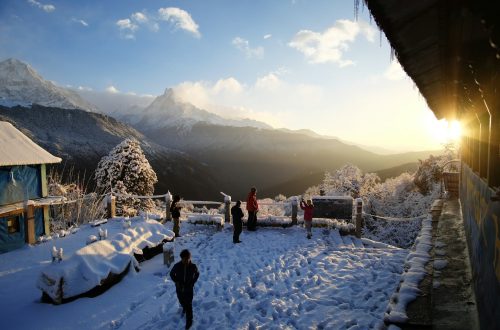
Located in the hills east of the capital, Nagarkot is known for sunrise and sunset views and, when weather conditions are favorable, Himalayan panoramas.
Because it is relatively close to Kathmandu, Nagarkot is suitable for travelers with limited time. Many visitors spend one night in the area before returning to the capital.
The destination is particularly appealing to couples, families, photographers, and travelers who want to enjoy mountain scenery without undertaking a multi-day trek.
A clear morning can provide beautiful views across the surrounding hills and toward the Himalayan range.
9. Upper Mustang
For travelers who want something completely different from the lush landscapes around Pokhara and Kathmandu, Upper Mustang offers a dramatic high-altitude environment.
The region has a landscape influenced by the rain shadow of the Himalayas. Instead of dense green forests, visitors encounter dry valleys, cliffs, rocky mountains, caves, monasteries, and traditional settlements.
Lo Manthang is one of the best-known destinations in the region and has a distinctive cultural and architectural character.
Upper Mustang has historically been more restricted than many other trekking destinations, and visitors need to follow the applicable permit and guide requirements.
The region is especially attractive to photographers and travelers interested in Himalayan culture and landscapes.
10. Langtang Valley
Langtang is another excellent choice for travelers who want a Himalayan trekking experience without choosing one of Nepal’s most famous long routes.
The Langtang Valley lies north of Kathmandu and offers forests, mountain villages, Buddhist culture, and impressive Himalayan scenery.
The trek generally passes through diverse landscapes before reaching higher alpine areas around Kyanjin Valley.
Kyanjin Gompa is one of the major destinations on the route, and trekkers can take additional hikes in the surrounding mountains.
One advantage of the Langtang region is its relatively convenient access from Kathmandu compared with some of Nepal’s more remote trekking areas.
How to Choose the Right Nepal Destination
The best destination in Nepal depends largely on your interests.
If you enjoy history and culture, start with Kathmandu and consider adding Bhaktapur, Patan, and Lumbini.
If you prefer nature and relaxation, Pokhara is an excellent choice.
If wildlife interests you, add Chitwan National Park to your itinerary.
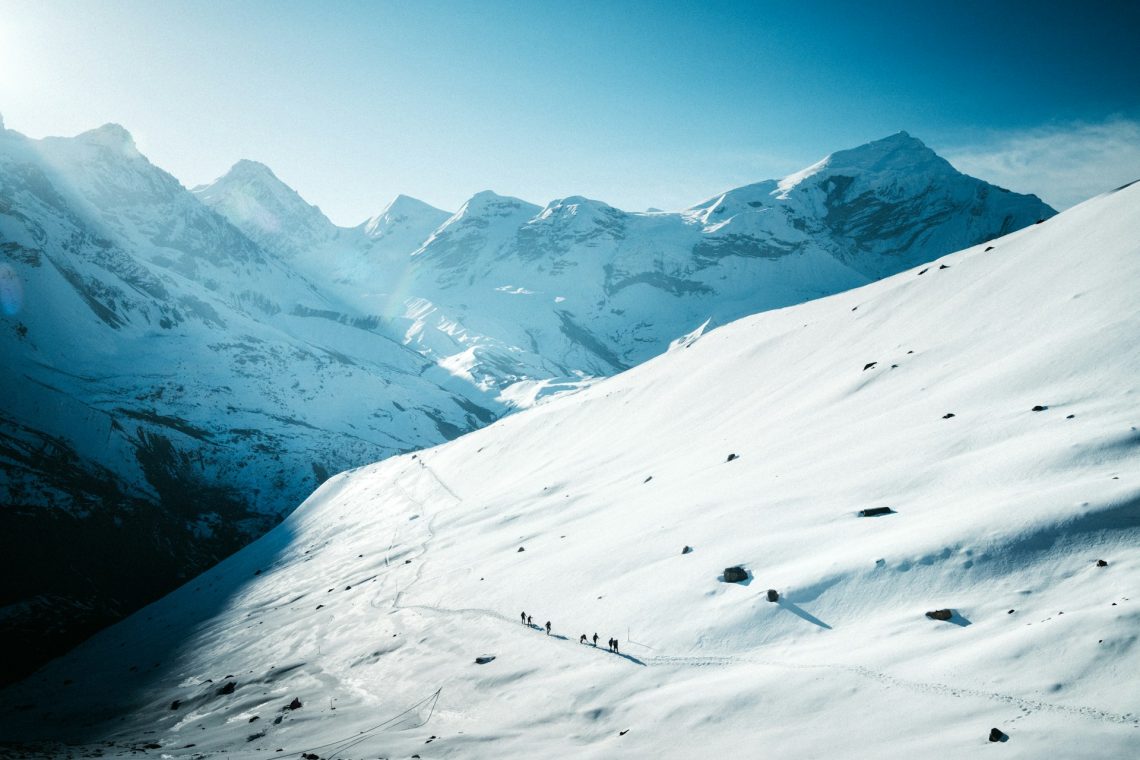
If your main goal is mountain trekking, consider Everest, Annapurna, or Langtang.
For short trips, Kathmandu, Pokhara, Nagarkot, and Bandipur can provide plenty of experiences without requiring a long trek.
For remote landscapes and cultural experiences, Upper Mustang offers something very different.
How Many Days Do You Need in Nepal?
There is no single perfect length for a Nepal trip.
A short 5–7 day trip can focus on Kathmandu and Pokhara, potentially with a nearby destination such as Nagarkot.
With 8–12 days, you can explore Kathmandu, Pokhara, and Chitwan or include a short trek.
A trip of two weeks or more gives you greater flexibility to combine cultural sightseeing, wildlife, and trekking.
If you are planning a major trek, your itinerary should be built around the trekking route rather than trying to fit too many destinations into the same trip.
Best Time to Visit Nepal
The best time depends on what you want to do.
Autumn, particularly October and November, is traditionally considered one of the most favorable periods for trekking because weather conditions are often stable and mountain visibility can be excellent.
Spring, especially March through May, is another popular season. The hills can be colorful with blooming rhododendrons, while trekking conditions are generally favorable in many areas.
Winter can be excellent for lower-altitude sightseeing and shorter treks, although high-altitude areas can become extremely cold.
The monsoon months bring frequent rainfall to much of Nepal. However, this does not mean the country is completely unsuitable for travel. Some rain-shadow destinations, including parts of Mustang, can remain comparatively dry.
Final Thoughts
Nepal is a destination where a single trip can combine ancient culture, Himalayan adventure, wildlife, spirituality, and relaxation.
First-time visitors do not necessarily need to choose the most famous destination. Kathmandu can provide a cultural introduction, Pokhara can offer mountain scenery and adventure, Chitwan can reveal Nepal’s wildlife, and destinations such as Bandipur or Nagarkot can provide a slower experience.
For trekkers, the Everest, Annapurna, and Langtang regions offer different styles of Himalayan adventure. Meanwhile, Lumbini and Upper Mustang provide distinctive cultural experiences that are very different from the country’s major trekking centers.
The most important thing is to build your itinerary around the experience you actually want. Nepal rewards travelers who leave enough time to explore rather than trying to rush through every destination.
Whether you have a week or several weeks, Nepal offers enough variety to make a first visit memorable—and enough depth to make you want to return.

You May Also Like
My First Himalayan Trek: What Nobody Told Me Before I Started
My First 5 Days in Nepal: What Surprised Me as a First-Time Traveler