My Week in Pokhara: The Places I Loved, the Food I Tried, and What I’d Do Differently
I came to Pokhara expecting a few days of mountain views and lakeside cafés.
I ended up staying for a week.
That wasn’t part of my original plan. I had initially thought I would spend three or four days in the city before continuing somewhere else. But Pokhara has a way of making you slow down. One morning turns into an afternoon, an afternoon turns into sunset, and suddenly you’re looking at your calendar wondering where the last few days went.
Before arriving, I mostly knew Pokhara from photographs.
Phewa Lake.
Machhapuchhre.
Boats on calm water.
Paragliders floating above the valley.
The Annapurna mountains in the background.
All of those things are real, but they don’t really capture what it feels like to spend several days there.
This is what my week in Pokhara was actually like.
Arriving in Pokhara
I arrived in Pokhara after traveling from Kathmandu.
The first thing I noticed was the change in atmosphere.
Kathmandu had felt energetic and chaotic. Pokhara felt slower.
There was still traffic, noise, construction, and plenty of activity, but the lake and surrounding hills seemed to give the city a different rhythm.
I checked into my accommodation, dropped my bag, and went straight toward the lakeside area.
I had no sightseeing plan for that evening.
I just wanted to see the lake.
That turned out to be exactly the right decision.
My First Evening at Phewa Lake
I reached Phewa Lake just before sunset.
The lake wasn’t perfectly still. Small boats moved across the water, and people were walking along the shore.
The sky gradually changed color as the sun went down behind the hills.
I found a restaurant overlooking the area and ordered dinner.
I can’t remember exactly what I ate.
I remember the view.
That’s something I’ve learned from traveling. You sometimes remember the atmosphere of a meal much more clearly than the meal itself.
After dinner, I walked around the lakeside streets.
There were cafés, restaurants, souvenir shops, trekking stores, and travelers from all over the world.
Some people were preparing for treks.
Others were returning from them.
A few were clearly doing what I was doing—trying to figure out how to spend the next day.
I decided not to plan too much.
Day Two: Exploring the Lake
The next morning, I rented a boat on Phewa Lake.
I’d seen pictures of people rowing across the lake, but I hadn’t realized how peaceful it would actually be.
From the water, the city seemed much quieter.
The hills surrounded the lake, and when the weather cleared, the mountains appeared in the distance.
The famous Tal Barahi Temple sits on a small island in the lake, and I stopped there during the boat ride.
The whole experience was simple.
There wasn’t an elaborate attraction or complicated activity.
It was just a boat, a lake, some mountains, and a slow morning.
And I loved it.
I Started Exploring Without a Schedule
By the afternoon, I had already abandoned my original sightseeing list.
Instead of visiting one attraction after another, I walked around the city.
I discovered small cafés, local restaurants, shops selling trekking equipment, and quiet streets away from the main tourist area.
One of the things I liked about Pokhara was that I could spend several hours doing almost nothing and still feel like I was having a good travel day.
That sounds strange when you write it down.
But it’s true.
Not every travel day needs to be packed with activities.
Day Three: Sarangkot at Sunrise
The alarm went off far earlier than I wanted.
I had arranged to visit Sarangkot for sunrise.
At around that hour, getting out of bed felt like a terrible decision.
I changed my mind several times before finally leaving.
It was worth it.
When I reached the viewpoint, there were already other travelers waiting.
The sky was still dark.
Then the horizon started getting lighter.
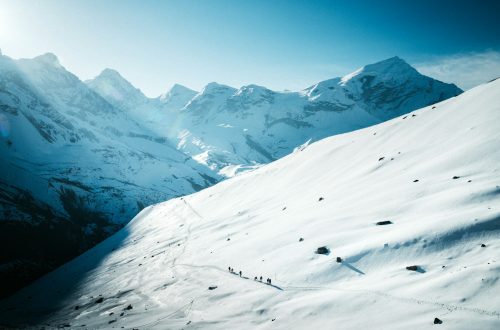
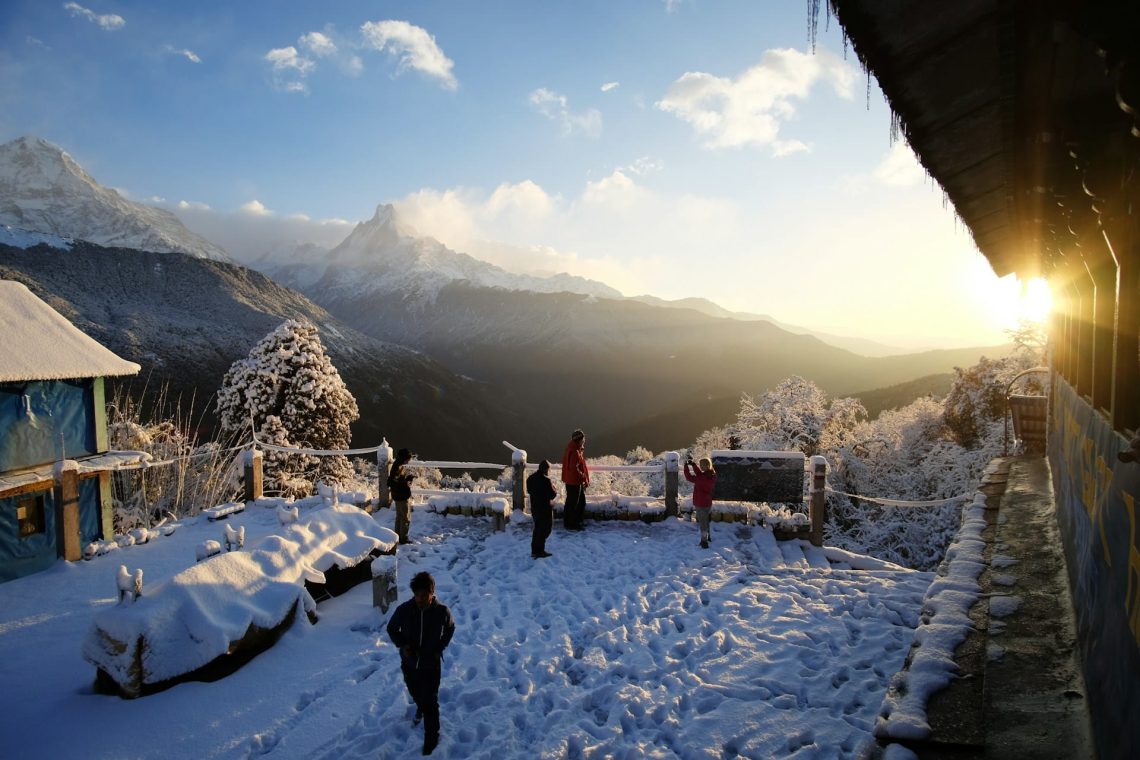
Slowly, the mountains appeared.
The first glimpse was almost unreal.
The peaks were distant, but their size was obvious even from there.
As the sunlight reached the mountains, the landscape changed minute by minute.
I took far too many photographs.
Most of them weren’t particularly good.
But I kept taking them anyway.
Seeing the Mountains in Person
I’d seen the Annapurna range in photographs before the trip.
Seeing it in person was different.
Photographs flatten everything.
Standing there, I could appreciate the distance between the city, the hills, and the enormous mountains beyond them.
It made me understand why people come to Nepal specifically for the Himalayas.
After sunrise, I returned to Pokhara and had breakfast.
I was tired enough that I spent most of the afternoon doing almost nothing.
And, again, that was perfectly fine.
Day Four: Trying Paragliding
On the fourth day, I decided to try something I hadn’t originally planned: paragliding.
Pokhara is well known for the activity, particularly around Sarangkot.
I was nervous.
I’m not particularly afraid of heights, but standing on the edge of a mountain waiting to run into the air isn’t exactly an everyday experience.
Once we were in the air, however, the nervousness disappeared surprisingly quickly.
The city looked completely different from above.
Phewa Lake was below us.
The hills stretched into the distance.
And the mountains formed a massive backdrop.
For several minutes, I simply looked around and tried to take it all in.
It was one of those travel experiences where you realize halfway through that you’re going to remember it for a very long time.
I would still recommend checking the operator’s safety practices, equipment, qualifications, weather conditions, and insurance requirements before booking an adventure activity.
Day Five: Davis Falls and the Caves
I decided to make the fifth day more traditional sightseeing.
I visited Davis Falls and the nearby Gupteshwor Cave.
Neither required a full day, which worked perfectly because I wasn’t interested in rushing around.
The falls were interesting, but what I enjoyed more was simply exploring the area and seeing another side of Pokhara away from the lake.
Afterward, I returned toward the city.
I had lunch at a small restaurant and spent the afternoon reading.
At some point, I realized something:
I had stopped checking the time.
That’s when I knew I had settled into Pokhara.
The Food Became Part of the Trip
One unexpected part of staying for a week was how much I enjoyed trying different food.
I ate plenty of Nepali dishes, but I also tried Tibetan-influenced food, international meals, street snacks, and foods I had never heard of before.
Momos were an obvious favorite.
I tried different versions and quickly developed strong opinions about which ones I liked.
Dal bhat became another regular meal.
It’s simple, filling, and particularly satisfying after a long day outside.
I also discovered that some of my favorite meals were not at the restaurants with the best-looking interiors.
They were at small places where the food was fresh and the atmosphere was informal.
Day Six: A Slow Day
By day six, I had no sightseeing plans.
I woke up late.
Had breakfast.
Walked around.
Stopped for coffee.
Sat near the lake.
Talked with another traveler.
Walked some more.
It might sound like I wasted a day.
I don’t think I did.
This was probably the day I enjoyed most.
When traveling, there can be a strange pressure to constantly “do something.”
Visit this.
Photograph that.
Check another attraction.
Move to another city.
But sometimes the best travel experience comes from simply being somewhere.
Pokhara was particularly good for that.
I Started Talking to Other Travelers
Because Pokhara is a major stop for trekkers, conversations were easy to start.
I met people who had just finished the Annapurna Base Camp Trek.
Another traveler was preparing for Mardi Himal.
Someone else had spent weeks traveling through Nepal.
Listening to their stories made me want to change my own plans.
I’d arrived thinking that trekking might be something I would do “one day.”
By the end of the week, I was already thinking about which trek I wanted to try.
Day Seven: The Day I Didn’t Want to Leave
My final day arrived faster than expected.
I walked back toward Phewa Lake in the morning.
The weather was clear.
The lake was calm.
I found a place to sit and ordered breakfast.
I spent a while watching boats move across the water.
There wasn’t anything particularly remarkable happening.
And that’s exactly why I remember it.
I wasn’t sightseeing.
I wasn’t trying to take photographs.
I wasn’t checking where I needed to go next.
I was simply sitting there.
What I Would Do Differently
Looking back, there are several things I would change.
I Would Stay Even Longer
A week felt comfortable.
I could easily have stayed another few days.
If you’re combining Pokhara with a trek, however, you may want to structure your itinerary around the trekking schedule.
I Would Plan Less
My first instinct was to create a detailed itinerary.
I quickly realized that Pokhara doesn’t require one.
Having a few activities planned is useful, but leaving free afternoons made the trip much more enjoyable.
I Would Bring Better Walking Shoes
This sounds obvious, but I underestimated how much walking I would do.
Even if you’re not trekking, comfortable footwear is worth bringing.
I Would Book Adventure Activities Carefully
Paragliding was one of my favorite experiences, but I wouldn’t book an adventure activity purely because someone offers the cheapest price.
I would compare operators, safety standards, equipment, weather policies, reviews, and what is actually included.
Is Pokhara Worth Visiting?
For me, absolutely.
But I think the reason depends on what you want from the trip.
If you want nightlife and a huge city, Pokhara probably isn’t the main attraction.
If you want mountain scenery, outdoor activities, relaxed mornings, lakeside walks, cafés, and easy access to trekking routes, it’s hard not to enjoy it.
What surprised me most was that I didn’t feel the need to constantly search for something to do.
The city itself became the experience.
My Favorite Memories
If I had to choose only five memories from the week, they would be:
Watching sunrise from Sarangkot.
The mountains slowly appearing in the morning light was unforgettable.
Rowing across Phewa Lake.
It was one of the quietest moments of the trip.
Paragliding above Pokhara.
Seeing the city from the air completely changed my perspective.
Eating momos after a long day.
Sometimes simple food tastes better when you’ve earned it.
Sitting beside the lake with nowhere to go.
This was perhaps the least exciting moment—and somehow one of my favorites.
Final Thoughts
Before visiting Pokhara, I thought I was going there to see the mountains.
I did see the mountains.
But what I remember most is the pace of life.
Pokhara taught me that a good travel experience doesn’t always require a packed itinerary. Sometimes you need to leave enough space for a morning boat ride, an unexpected conversation, a long lunch, or an afternoon spent doing absolutely nothing.
If you’re visiting for the first time, explore the famous places.
See Phewa Lake.
Go to Sarangkot.
Try something adventurous if you’re comfortable with it.
Eat local food.
But don’t feel guilty about having a day where you simply sit beside the lake.
You might discover that it’s the day you remember most.
If I were planning my trip again, I’d still visit the same places.
I’d simply give myself more time.
And I’d probably stay another week.


You May Also Like
10 Most Beautiful Mountain Destinations in Nepal
How to Plan Your First Trip to Nepal: A Complete Beginner’s Guide